The Real Cause Of Winter Snoring & NightLase Treatment Fixes
Disrupted sleep during the winter months often stems from a physical obstruction within the upper airway rather than simple nasal congestion. Centered Health and Aesthetics offers advanced wellness care in Tampa Bay, FL to address the underlying structural causes of chronic snoring. Understanding why soft tissues collapse during sleep allows patients to seek proven non-surgical solutions that restore quiet breathing.
Many people rely on bulky mouthguards or noisy breathing machines that fail to fix the laxity of the oral tissue itself. Non-invasive laser energy offers a comfortable alternative by physically tightening the soft palate without needles or downtime. We explain the physiological mechanisms of airway collapse and how targeted laser energy reclaims peaceful rest for you and your household.
What this sleep guide covers
- Airway collapse mechanics: Why soft tissue vibration causes loud snoring
- The NightLase mechanism: How laser heat restores tissue tightness
- Treatment protocols: What to expect during your therapy series
- Frequently Asked Questions
Airway Collapse Mechanics
Snoring occurs when the muscles and soft tissues in the back of the throat relax excessively during deep sleep. As air forces its way through the narrowed passage, the soft palate and uvula vibrate against the back of the throat, generating the audible sound of snoring. Winter air and indoor heating systems dry out the oral mucosa, worsening tissue irritation and swelling. This physical narrowing restricts oxygen flow, causing frequent micro-awakenings that leave both the snorer and their partner exhausted the next morning.
How Laser Heat Restores Tissue Tightness
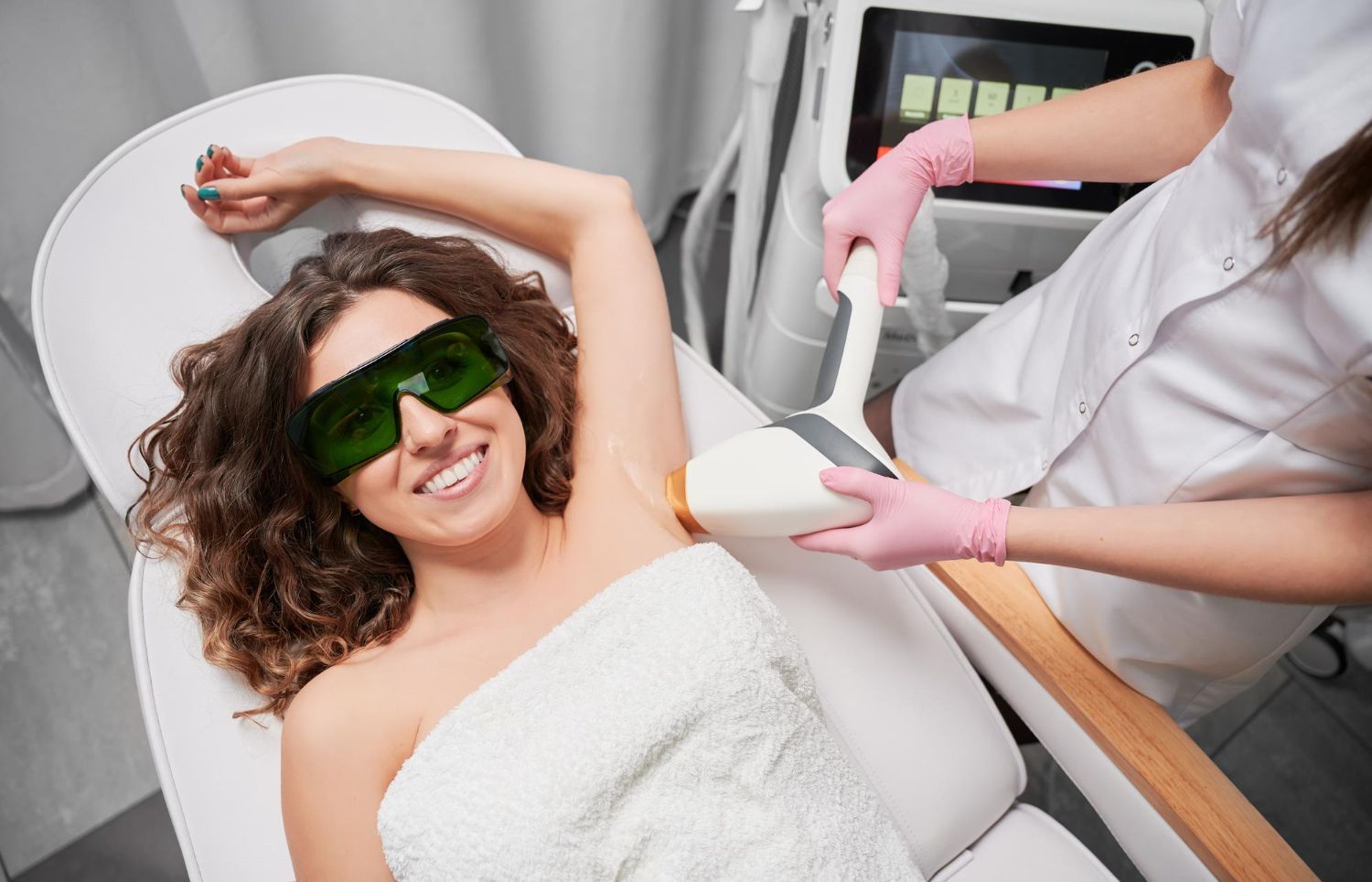
Patients struggling with nightly disruptions often ask how does laser treatment for snoring actually work. Fotona NightLase utilizes non-ablative Er:YAG laser light in a gentle SMOOTH mode to deliver controlled thermal energy directly into the oral mucosa. This precise heat triggers immediate contraction of existing collagen fibers while stimulating the generation of fresh collagen in the soft palate and surrounding throat tissues. As the tissue tightens, the airway opens up naturally, reducing the tissue collapse that causes vibration and snoring without requiring anesthesia or surgery.
► Client Experience: "Christina is wonderful, kind and caring. I have my next snoring session next week and looking forward to letting my husband sleep again."
Dawn's experience shows how targeted laser sessions provide noticeable airway improvements that directly benefit the entire household.
Treatment Protocols And Expected Timeline
Achieving optimal airway tightening requires a structured series of treatments. The standard NightLase protocol consists of three to five short, twenty-minute sessions spaced twenty-one days apart. Most patients experience a noticeable reduction in snoring volume and improved sleep quality after their very first appointment. Because the laser energy is gentle and non-ablative, you can eat, drink, and return to your regular daily activities immediately following each session without any recovery period.
Frequently Asked Questions
Is NightLase therapy painful?
Patients feel only a mild warming sensation in the back of the throat during the laser application, making local anesthesia completely unnecessary.
How many sessions are necessary for lasting relief?
A series of three to five sessions yields results that typically last up to a full year, after which a simple maintenance session helps sustain tissue firmness.
Reclaiming Restful Sleep This Winter
Improving your sleep quality requires treating the structural tissue laxity responsible for airway blockages. Non-invasive laser therapy provides a comfortable, device-free approach to silent nights and refreshed mornings. Contact our clinic today to schedule your NightLase evaluation.
Share This Blog